
Cummins Engine Plant - Roof Void Structural Assessment
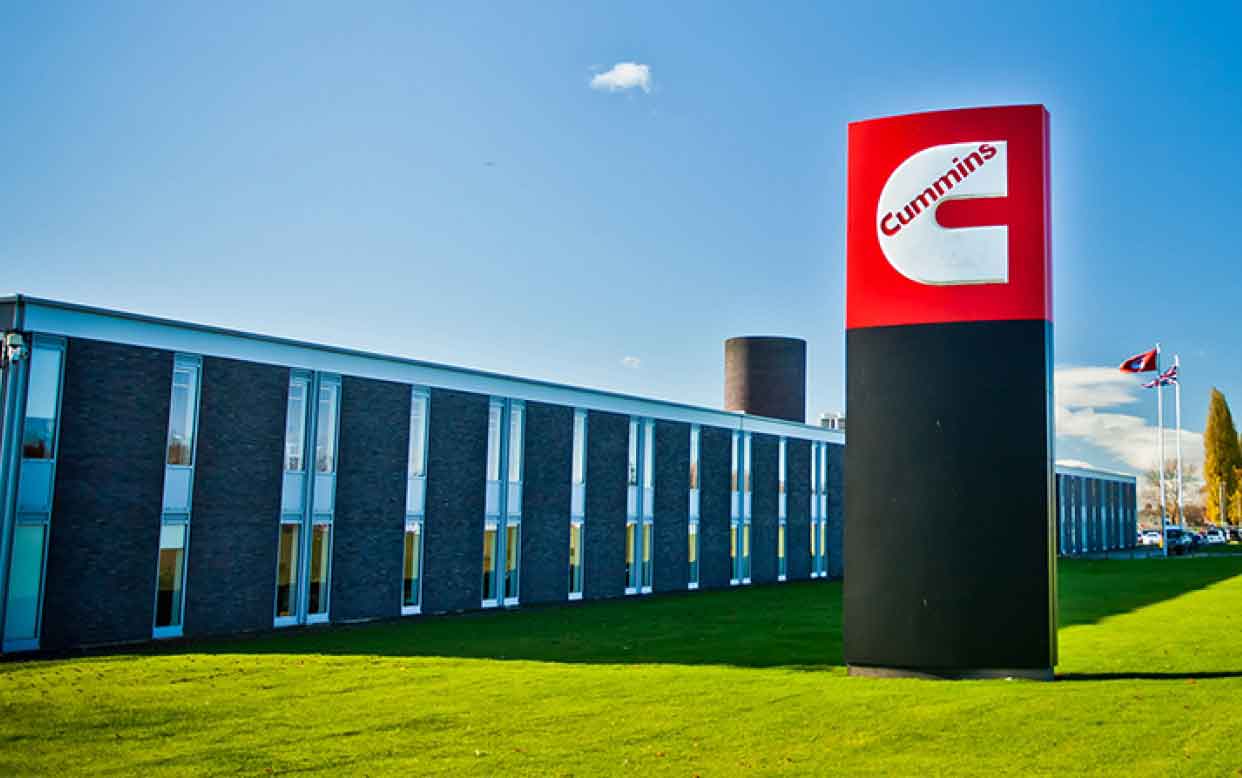
- Existing build era: 1970s industrial structure (steel framing with roof void access walkways)
- Deck build-up (observed): Aluminium decking with OSB overlay (local deterioration noted)
- Issue identified: Overstressed access decking for anticipated maintenance loads (personnel + tools/equipment)
- Deliverables: Assessment report; load path review; adjustable work-platform strategy; deck strengthening notes; access/permit controls
- Overstressed decking system
- Finding: The aluminium deck with OSB overlay was inadequate for the required service loads (personnel, tools, occasional small plant).
- Risk: Local punching or progressive failure if loading continued without intervention.
- Ageing materials & legacy details
- Finding: 1970s materials and detailing are not aligned to modern standards; OSB overlay displayed deterioration at localised areas.
- Risk: Unreliable stiffness and slip resistance; uncertain performance at joints and fixings.
- Personnel safety in confined roof voids
- Finding: Ongoing maintenance requires predictable working platforms, clear routes and load limits.
- Risk: Falls through/onto defective decking; manual-handling and rescue complications.
1) Adjustable work platforms spanning primary steel
- Recommended modular/adjustable work platforms (proprietary units or modular decks) that transfer loads directly into steel beams, bypassing weak deck zones.
- Defined bearing locations, allowable spans and fix/lock-off requirements, with handrails/toe-boards and anti-slip surfacing to suit Work at Height duties.
2) Deck reinforcement and local repairs
- Set out reinforcement/over-boarding where platforms cannot be placed (short access runs, inspection points).
- Specified fastener patterns, minimum thicknesses and compatible materials; highlighted replacement of deteriorated OSB with a durable, moisture-resistant board and improved slip resistance.
3) Load management & access controls
- Introduced interim restrictions: limit personnel and equipment loads in the roof void until platforms/reinforcements are installed.
- Implemented permit-to-work and tagged routes, with clear signage of maximum permissible loads and exclusion of non-essential traffic.
4) Safety, QA and standards alignment
- Assessment referenced BS EN 1991 (Eurocode 1) for imposed loads and concentrated actions relevant to access/walkways, and BS EN 1993 where checks to steel members/supports were required.
- Access equipment and temporary works aligned with BS 5975 (temporary works principles), Work at Height Regulations 2005, and relevant equipment standards.
- Required pre-use inspections, periodic checks, and recorded sign-offs for platform installations.
- Risk materially reduced: workers no longer rely on overstressed legacy decking for primary support.
- Clear, buildable method: adjustable platforms and targeted deck reinforcement give a repeatable, auditable solution.
- Operational continuity: maintenance can proceed safely with defined routes, limits and permits, minimising disruption.
Structural inspection & assessment · Load path review · Strengthening strategy · Temporary works/access planning · Risk assessment & method inputs · Permit-to-work controls · Implementation QA checklist
Expertise in Complex Structural Challenges
- Advanced Engineering Solutions: Skilled in addressing intricate structural issues through innovative engineering practices.
- Innovative Approaches: Utilises cutting-edge technology and methodologies.
Customised Solutions
- Tailored Designs: Solutions crafted to meet the specific needs of each project and client.
- Client Collaboration: Works closely with clients to understand their requirements and achieve desired outcomes.
Commitment to Quality
- Stringent Quality Control: Maintains high standards throughout project execution, from design to commissioning.
- Safety Focused: Prioritises safety in all aspects of design and implementation, adhering to the highest industry standards.
Need support on a similar project? Contact us to discuss your requirement.